Types of Moths: Identification, Pictures, Species and Facts
A beginner-friendly moth identification guide for people who want to identify moths found around homes, gardens, porch lights, closets, pantries, forests, and outdoor spaces.
Start Learning About Moths
Choose the Right Moth Guide
Whether you found a moth near a porch light, in a closet, inside a pantry, on a garden plant, or resting on a wall, these guides help you start with the right topic before trying to name the exact species.
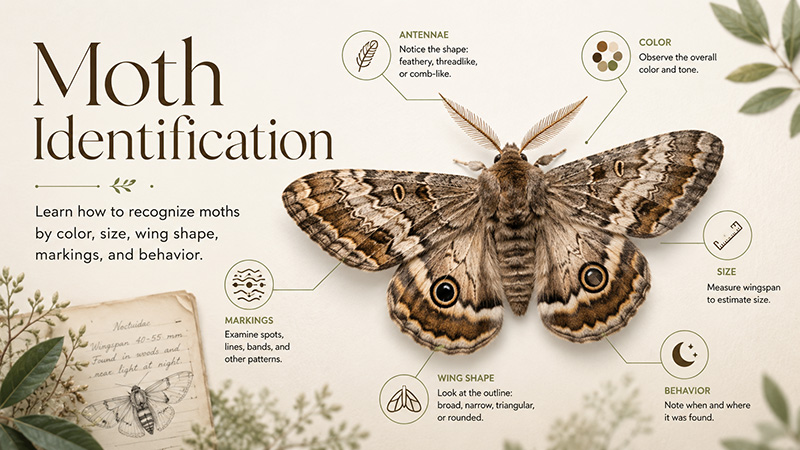
Moth Identification
Learn how to identify a moth by wing shape, color, markings, antennae, size, resting posture, location, season.
Start identifying → 02Types of Moths
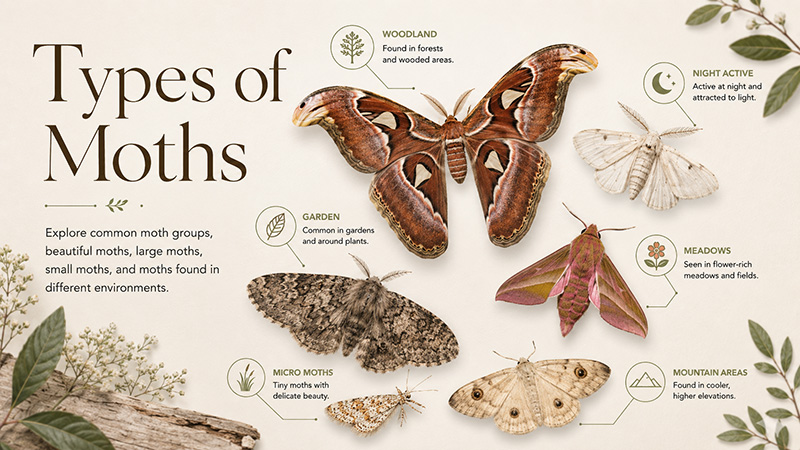
Explore common moth groups, including large moths, small brown moths, garden moths, house moths.
Explore types → 03Moth Species
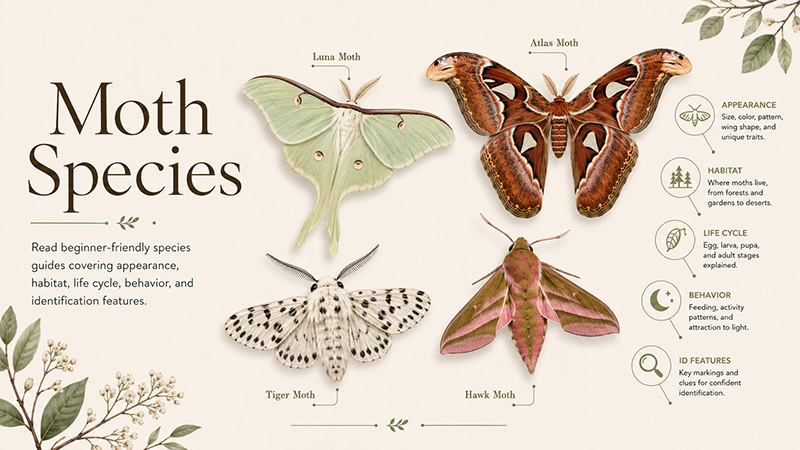
Browse beginner-friendly species guides with pictures, visible features, habitat notes, and common lookalikes.
Browse species → 04Moth Facts
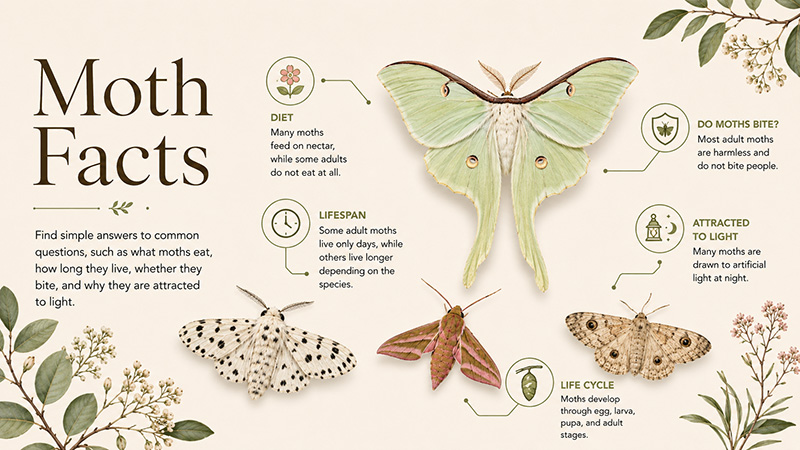
Find clear answers about what moths eat, why moths come to lights, how long moths live, and whether moths are dangerous.
Read facts → 05Moth Life Cycle
Understand eggs, larvae, caterpillars, pupae, cocoons, and adult moths in a simple step-by-step way.
Learn stages → 06Moths Around the Home
Learn the difference between harmless outdoor moths, pantry moths, clothes moths, larvae.
Check home moths →Trying to Identify a Moth?
Start with observation rather than guessing. Many moths look similar, so a useful identification depends on several clues together, not one detail alone.

Where Did You Find the Moth?
The place where a moth appears is often one of the most useful clues. A large moth near a porch light, a tiny moth in the pantry, and a pale moth in a dark closet usually point to different situations.
Near Lights
Many outdoor moths are noticed around porch lights, windows, garage lights, and lamps after dark.
Identify light-attracted mothsIn the Pantry
Small moths in kitchens or food storage areas may require checking dry foods, grains, pet food, and birdseed.
Check pantry moth signsIn the Closet
Moths near wool, fur, feathers, rugs, or stored natural fabrics should be inspected carefully.
Learn about clothes mothsIn the Garden
Many moths and caterpillars are part of normal garden life and may be linked to local plants and seasons.
Explore garden moth types| What You See | Likely Situation | Where to Look | Best First Step |
|---|---|---|---|
| Large patterned moth near a porch light | Outdoor moth entered by accident | Windows, doors, porch, garage | Take a photo and release it outside if possible. |
| Small moths flying in the kitchen | Pantry or stored-food moth possible | Dry goods, pet food, birdseed, spices | Inspect packages for larvae, webbing, or clumped food. |
| Tiny pale or tan moths in a closet | Clothes moth activity possible | Wool, fur, feathers, rugs, stored fabrics | Check dark, undisturbed fabric areas for larvae or damage. |
| Caterpillar near plants or a doorway | Outdoor moth larva or garden visitor | Nearby plants, walls, patio, garden edges | Avoid touching fuzzy caterpillars and identify from photos. |
Explore Different Types of Moths
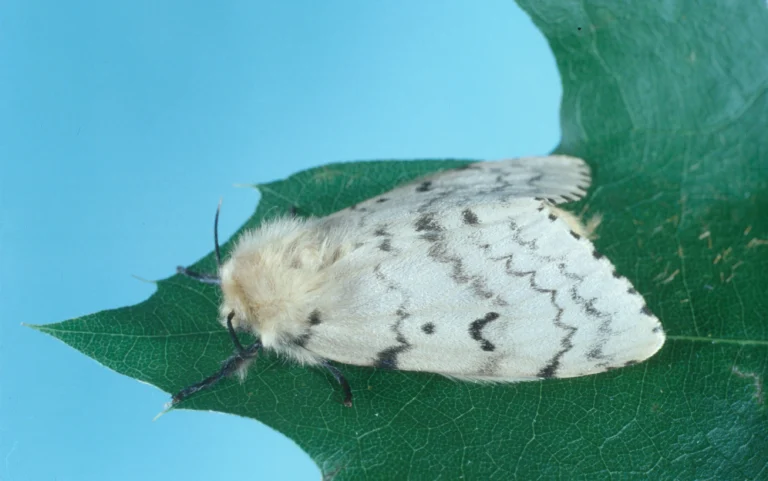
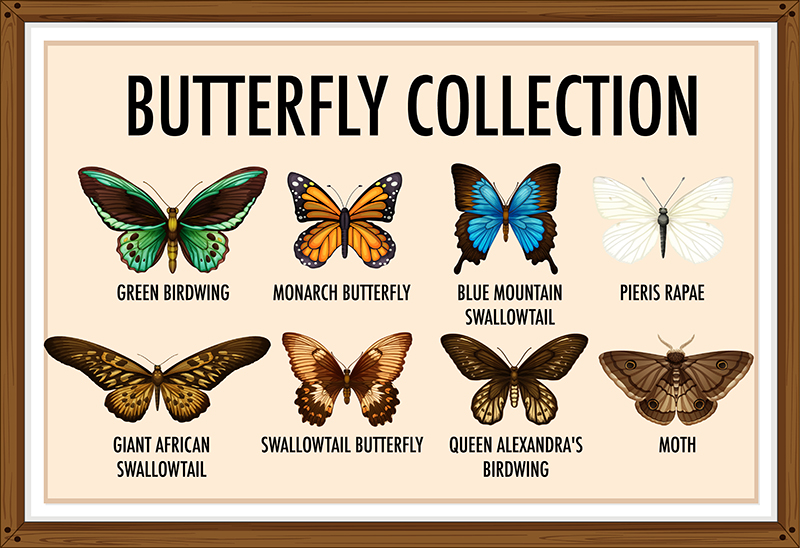
Moths range from tiny household moths to large, beautifully patterned species. Some are pale and delicate, while others are brown, green, yellow, black, or boldly marked. Some look like bark, leaves, wasps, or even hummingbirds.
This section helps readers move from broad moth groups to specific species guides. It is useful for comparing moths by size, wing pattern, habitat, behavior, and common lookalikes.
Popular Moth Guides
Start with these practical guides if you want to identify a moth, understand what it eats, compare moths and butterflies, or learn why moths appear around homes.
Moths Around the Home
Learn why moths appear indoors, how to inspect the right area, and when a moth is just an accidental visitor.
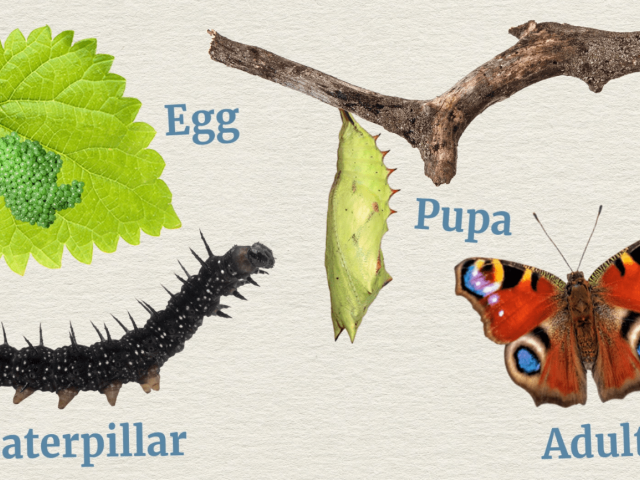
Moth Life Cycle Stages
Understand how moths develop from eggs to larvae, pupae, and adults through complete metamorphosis.
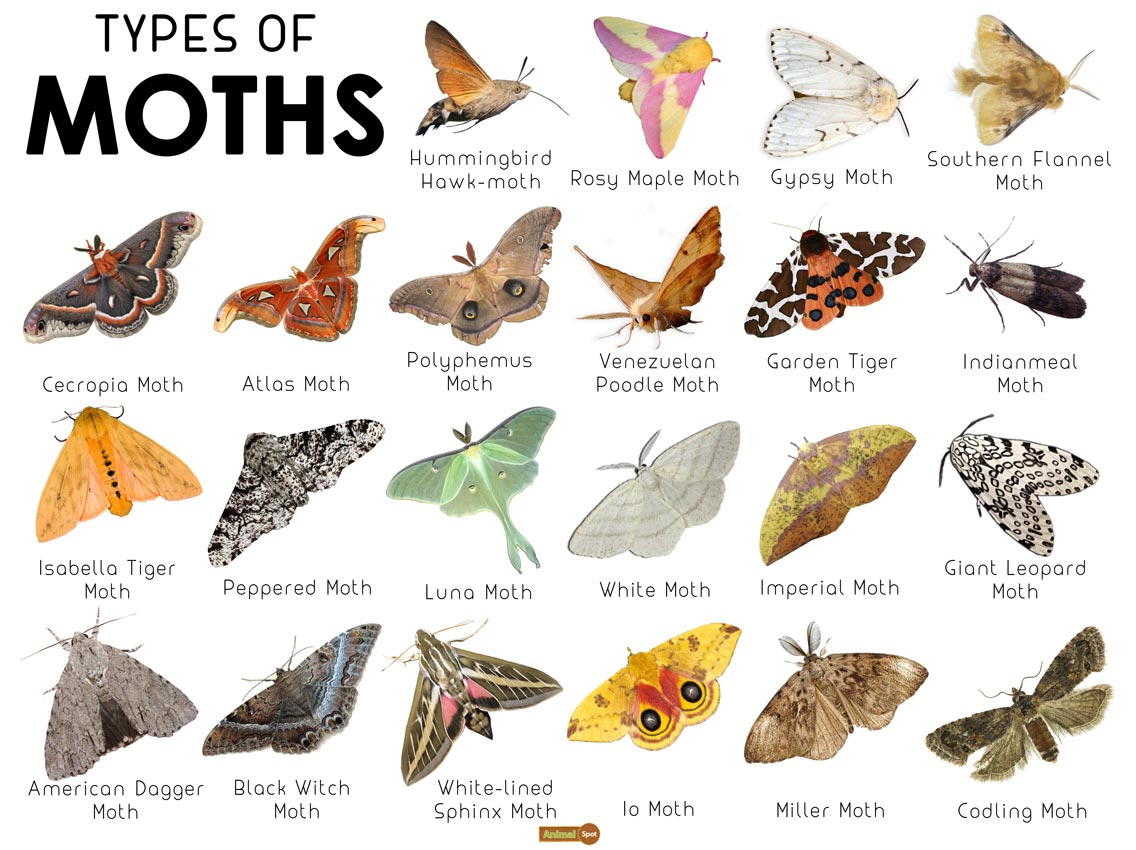
Moth Species with Pictures
Browse beginner-friendly moth species notes with visual features, habitat clues, and identification reminders.
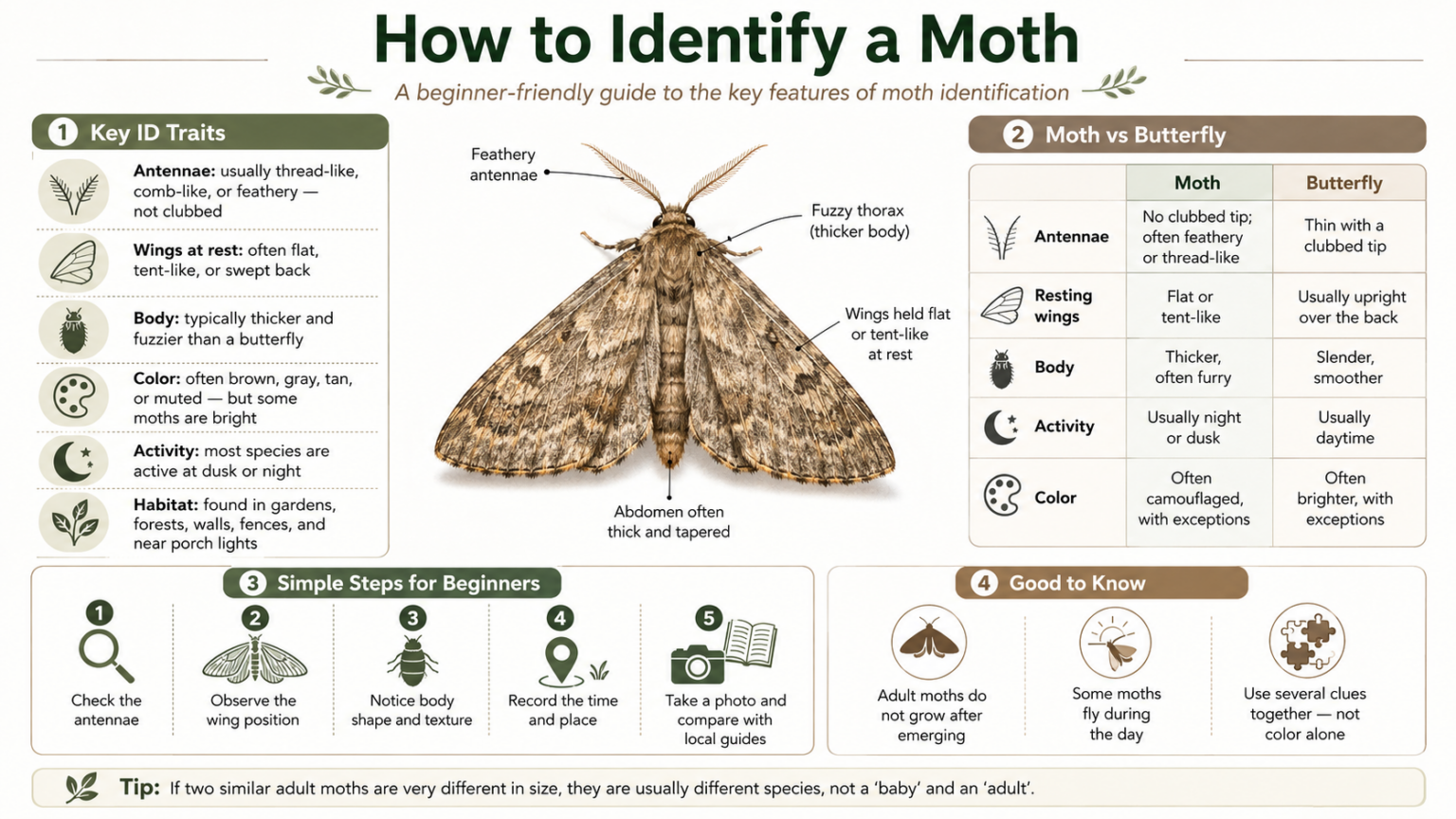
How to Identify a Moth
Use a simple observation checklist before trying to name an exact species from a photo or quick sighting.
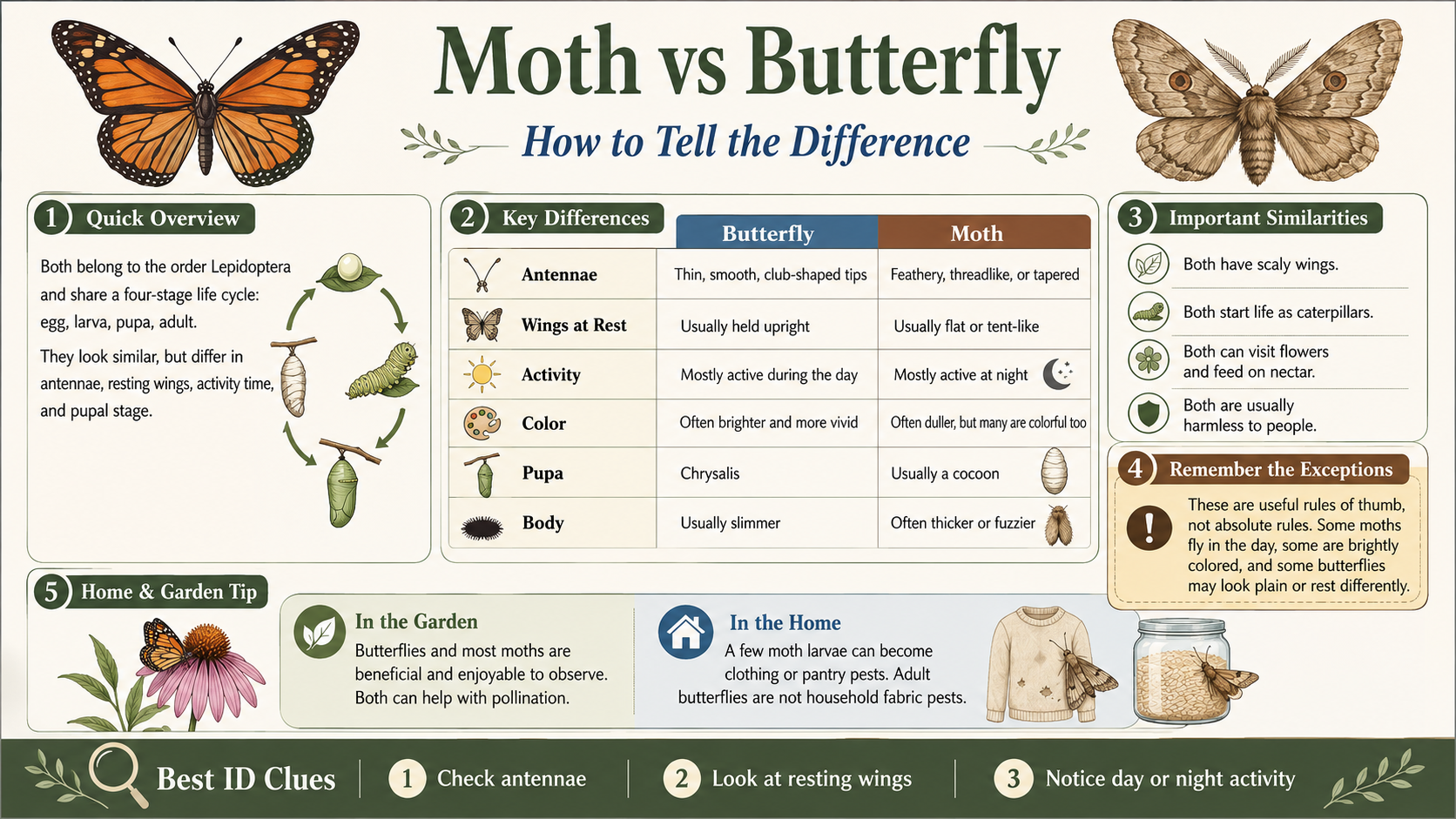
Moth vs Butterfly
Compare antennae, resting posture, body shape, activity time, and other easy clues for beginners.
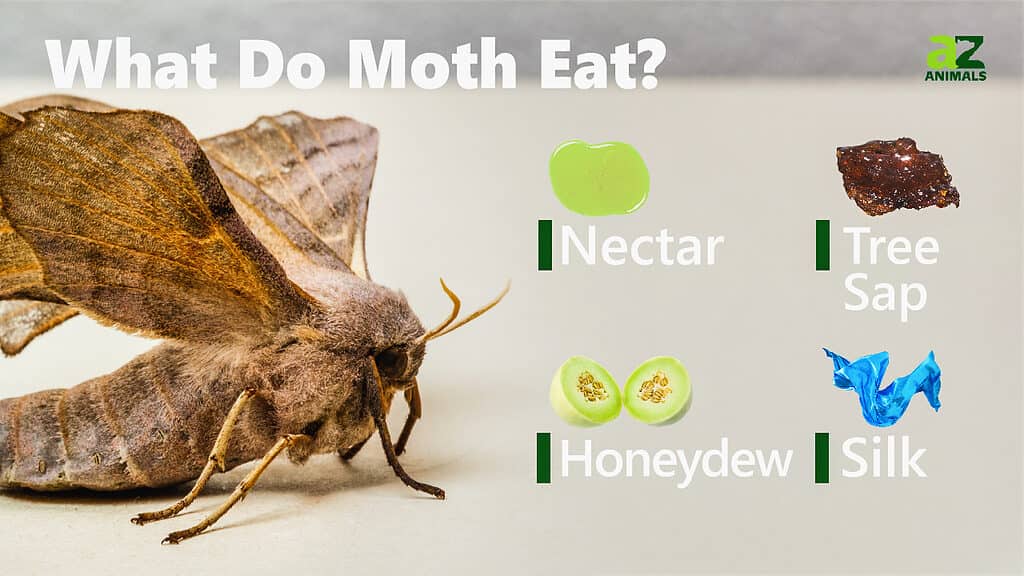
What Do Moths Eat?
Learn the difference between adult moth feeding and the larval stage, when most growth and feeding happens.
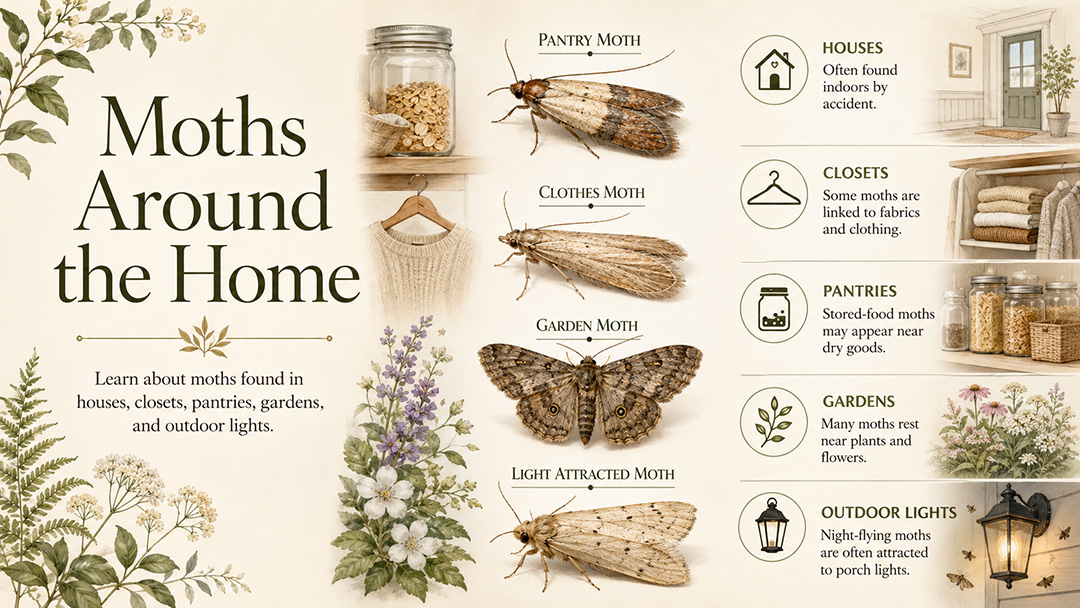
Moths Around the Home
Seeing one moth indoors does not always mean there is a problem. A moth on a wall, window, curtain, or ceiling may simply be an outdoor visitor that came in by accident.
Repeated moth sightings in the same area deserve a closer look. Moths in kitchens may point to stored foods. Moths in closets may require checking wool, fur, feathers, rugs, or stored fabrics. The most useful first question is simple: where did you find it?
Why Moths Matter
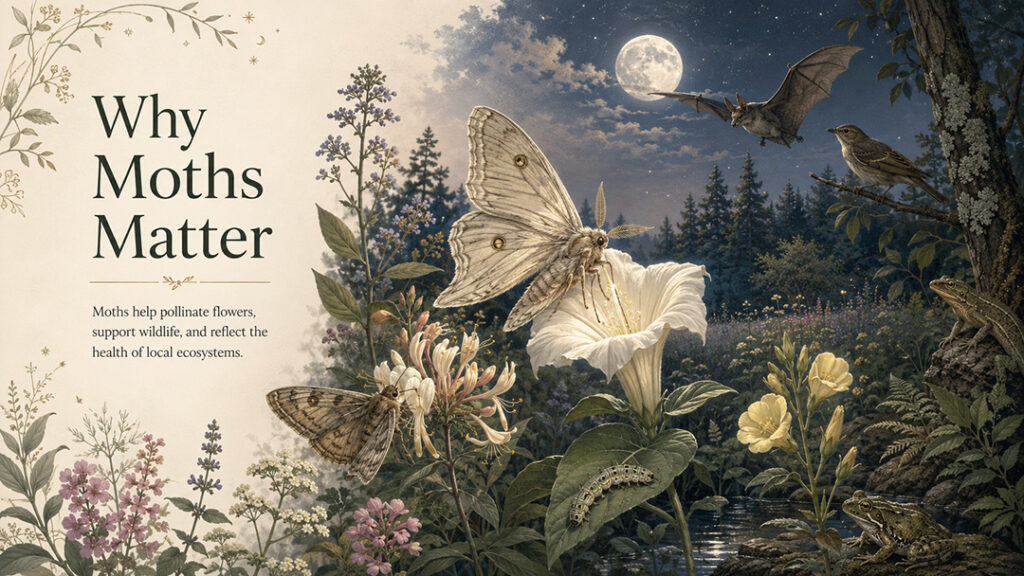
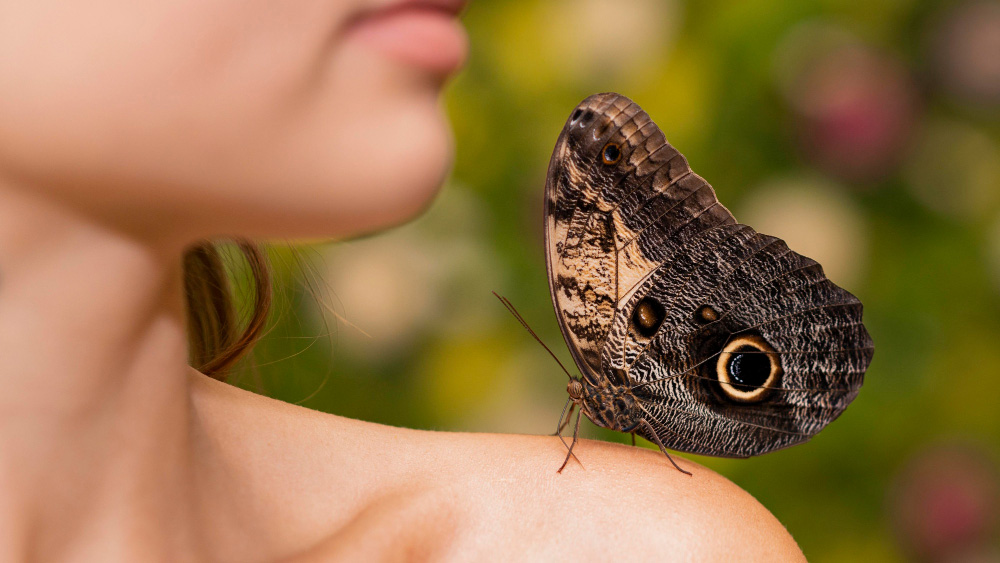
Moths are more than small insects that fly around lights. Many moths are part of nighttime ecosystems, and their caterpillars can be important food for birds, bats, reptiles, amphibians, spiders, and other wildlife.
Some adult moths visit flowers and may help move pollen at night. Moths can also tell us something about plants, seasons, gardens, forests, and local habitat conditions. Learning about moths helps readers notice the quiet activity of nature after dark.
Clear Moth Guides for Curious Readers
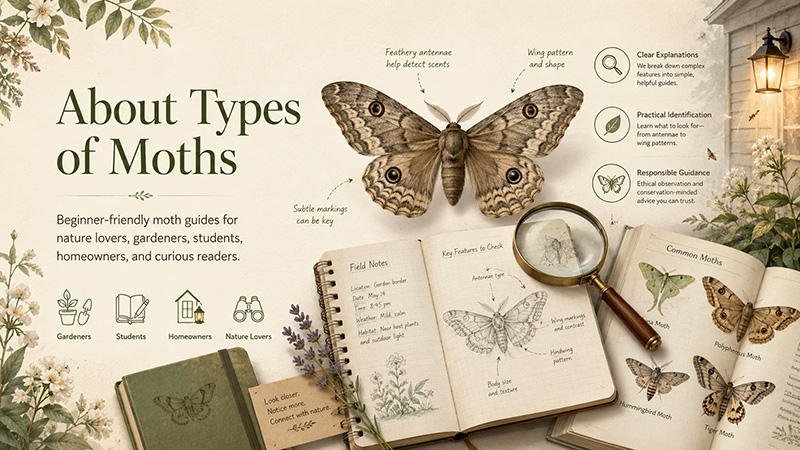
Types of Moths is an educational nature website created for readers who want clear, practical, and beginner-friendly information about moth identification, species, life cycles, behavior, habitats, and moths around the home.
Our guides are written for nature lovers, gardeners, students, homeowners, and anyone who wants to better understand the moths they see in everyday life. We explain useful identification clues while being honest about uncertainty, because many moths cannot be identified confidently from one unclear photo.
Written for Curious Nature Lovers
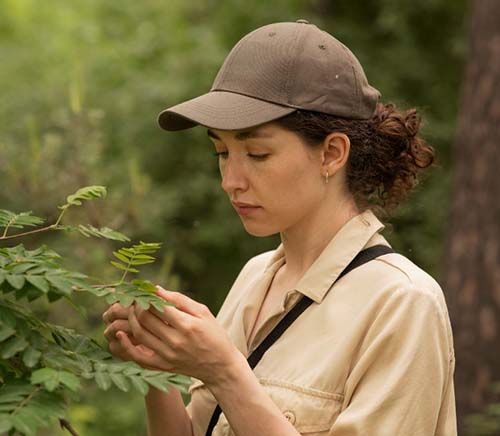
Many guides on Types of Moths are written and edited by Clara Whitmore, a nature writer and moth enthusiast who focuses on moth identification, moth species, moth habitats, life cycles, and beginner-friendly insect education.
The editorial approach is based on clear writing, careful research, practical observation tips, and responsible explanations for general readers.
Frequently Asked Questions About Moths
These short answers help beginners understand common moth identification questions before reading a full guide.
What is the best way to identify a moth?
The best way to identify a moth is to look at several features together, including wing color, markings, size, body shape, antennae, resting posture, location, season, and habitat. A clear photo can help, but some species still require expert confirmation.
Are moths and butterflies the same?
Moths and butterflies are closely related, but they are not exactly the same. Many moths are active at night, have thicker bodies, and rest with their wings flat or roof-like. Butterflies are often active during the day and usually have clubbed antennae, although exceptions exist.
Are moths dangerous?
Most adult moths are harmless to people and usually do not bite or sting. Some caterpillars may have irritating hairs, and some household moth larvae can damage stored food or natural fibers, so the situation depends on the moth and where it appears.
Why are moths attracted to lights?
Many moths are drawn toward artificial lights at night. Scientists have proposed several explanations, including the possibility that artificial lights interfere with natural orientation behavior. A moth near a porch light is often an outdoor visitor, not a household pest.
What do moths eat?
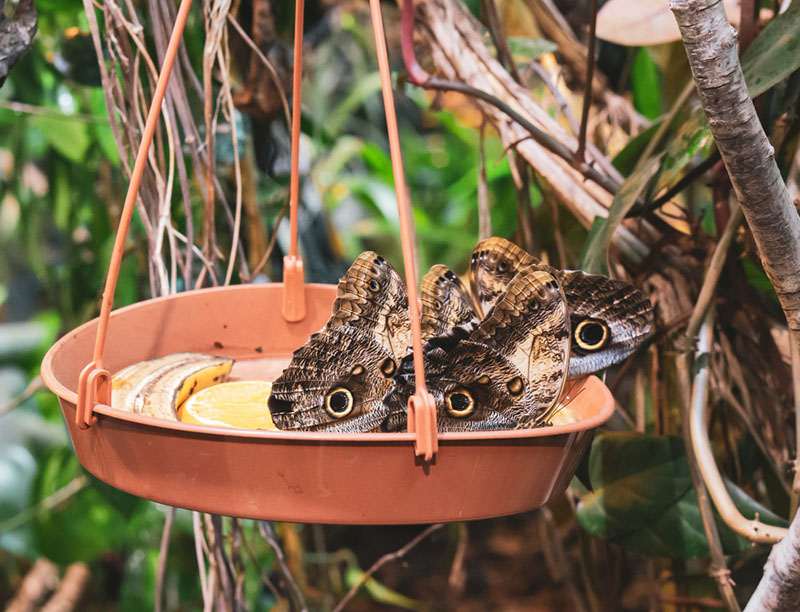
Adult moths may feed on nectar, tree sap, fruit juices, or other liquids, depending on the species. Some adult moths do not feed at all. Moth caterpillars usually do most of the feeding and may eat leaves, plant material, stored food, or natural fibers.
Does one moth in the house mean an infestation?
Not always. One moth indoors may simply be an outdoor moth that entered through a door, window, garage, or screen. Repeated moth sightings in the same pantry, closet, or storage area deserve closer inspection.
Start Exploring the World of Moths
Moths may be quiet, small, and easy to overlook, but they are full of useful identification clues and surprising natural details. Start with a beginner guide, compare common moth types, or learn what to check when moths appear around the home.